
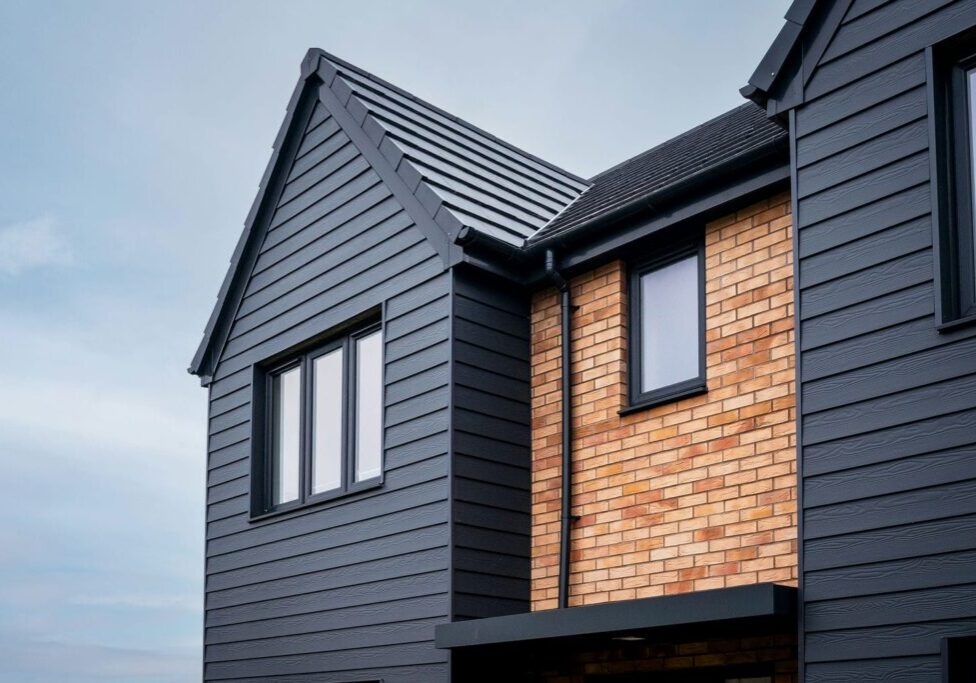
Weather delays affect cladding schedules in B.C. by shrinking safe install windows, leaving substrates or assemblies too wet to cover, slowing sealants and finishing steps, interrupting lift or scaffold access, and forcing crews to resequence elevations or pause work altogether. That means the real issue is not only whether it is raining at the moment. It is whether the wall is actually ready for productive, clean work. That is why a capable exterior cladding contractor plans around moisture, wind, access, and restart conditions before the first boards or panels go up.
On most projects, weather does not simply remove one workday from the calendar. It pushes prep, detailing, access, inspections, and follow-on work out of sequence. Once that happens, recovery often takes longer than the weather event itself because the team has to re-check readiness, reset protection, and find the next workable elevation or task.
What Weather Delays Actually Do To A Cladding Schedule
Weather pressure shows up in more than one place on an exterior schedule. Builders usually feel it first as lost production, but the bigger issue is how quickly a small delay spreads into the rest of the envelope sequence. That is why cladding schedules need more than a weather note at the bottom of the Gantt chart.
The useful question is not “Will weather cause delay?” It will. The better question is where that delay multiplies, and what the team can do before site conditions tighten up.
Lost Install Days Are Only Part Of The Delay
The obvious delay is the day when the crew cannot install. However, that is only the visible part of the schedule hit. Wet substrates need time to dry, access conditions need to improve, temporary protection may need to stay in place longer, and the crew may have to shift back through readiness checks before full production resumes.
The hidden loss often shows up after the weather clears. One wet day can affect prep on the next day, slow detailing on the day after that, and push another trade into the same access window. That is why cladding delay is usually compound delay, not just direct delay.
The Weather Conditions That Most Often Disrupt Cladding Schedules
Exterior finishing crews rarely lose time for just one reason. Most schedule pressure comes from a small group of weather conditions that repeatedly affect wall readiness, access, and detailing. Understanding these patterns helps builders anticipate where production will slow and where resequencing can keep the project moving.
The table below outlines the weather conditions that most commonly interrupt cladding work in British Columbia and how teams typically respond when those conditions appear on site.
| Weather Condition | Direct Site Effect | Typical Cladding Schedule Impact | Common Recovery Move |
| Rain Or Wet Substrate | Wall surface or interface stays too wet for productive install | Pause, slower restart, re-check of readiness | Delay start, protect area, shift to drier zone |
| High Wind | Lift work, handling, alignment, and safety are affected | Slower production or stop on exposed elevations | Resequence to sheltered elevation or ground task |
| Cold Or Frost | Narrower install window and slower dry-back | Slower prep, slower detailing, delayed restart | Shorter working window, tighter substrate checks |
| Snow Or Ice | Access, staging, and surface readiness are affected | Start delay, partial shutdown, cleanup time | Clear access first, stage materials differently |
| Heat Or Direct Sun | Some finish and sealant steps become harder to control | Slower detailing or timing shift | Move sensitive steps to better time of day |
The key takeaway is that weather delays rarely affect only one task. Rain may slow substrate preparation, wind may interrupt lift access, and cold conditions may extend drying or detailing time. Builders recover faster when they identify the real constraint, whether it is access, moisture, detailing, or exposure, and adjust sequencing instead of waiting for the entire façade to become equally ready.
Breaking It Down In Detail
Most cladding delays come from a small group of site conditions that keep repeating. Builders do not need a forecast lesson. They need to know which conditions tend to stop work, slow work, or turn a simple restart into a longer sequence problem.
The sections below stay focused on field impact. The goal is to make the schedule easier to manage, not to turn the article into a product manual.
Rain And Wet Substrates
Rain is the clearest weather delay on most B.C. exterior schedules, but the larger issue is usually moisture left behind after the rain stops. A wall can look workable from the ground while still being too wet at joints, penetrations, trims, or other interfaces where clean install matters. That is where lost time starts stacking up.
The restart is often slower than expected because the crew has to check readiness again, remove or adjust protection, and confirm that the wall condition matches the next scope step. In practice, “not raining right now” is not the same thing as “ready to install.”
Wind On Exposed Elevations
Wind creates a different kind of delay. It affects safe access, material handling, alignment, and production pace, especially on exposed elevations where boards, panels, trims, or membranes are harder to control. Even when work does not stop entirely, output often drops because the crew has to slow down to keep the install clean.
The good news is that wind delays are often more localized than rain delays. If the project has been broken into logical elevations or zones, the team may still be able to shift to a more protected area instead of losing the whole day.
Cold Temperatures, Frost, And Slow Drying
Cold weather narrows working windows and stretches recovery time. Surfaces can stay damp longer, frost can affect readiness, and certain finishing or sealing steps can become harder to sequence cleanly. That does not mean exterior work stops for a whole season, but it does mean the schedule needs more discipline.
Winter delay is not only about snow. It is also about slower dry-back after wet weather, shorter productive windows, and the extra time needed to confirm that substrate and interface conditions are truly ready for the next step.
Snow, Ice, And Access Conditions
Snow and ice change the schedule before the cladding itself starts. Ladders, scaffolds, lifts, material staging, and access routes all become slower to set up and harder to use efficiently. Even if the wall condition is acceptable, the site may still lose time getting crews and materials into a workable position.
This matters more on Interior and northern jobs, but it is not limited to them. Any project with exposed access routes, tight staging, or height-related work can lose time to surface conditions that sit outside the wall assembly itself.
Heat And Direct Sun On Finishing Steps
Weather delay in B.C. is often moisture-led, but warm weather can still affect the finishing side of exterior work. Direct sun and heat can compress certain working windows for sealants, coatings, or other finish-related steps, especially when timing and surface condition matter for a clean result.
That means a sunny week is not automatically a schedule win. On some scopes, the crew may need to shift more sensitive detail work to a different time of day or sequence it around exposure rather than forcing everything into the hottest window.
How Weather Delays Ripple Through The Rest Of The Envelope Sequence
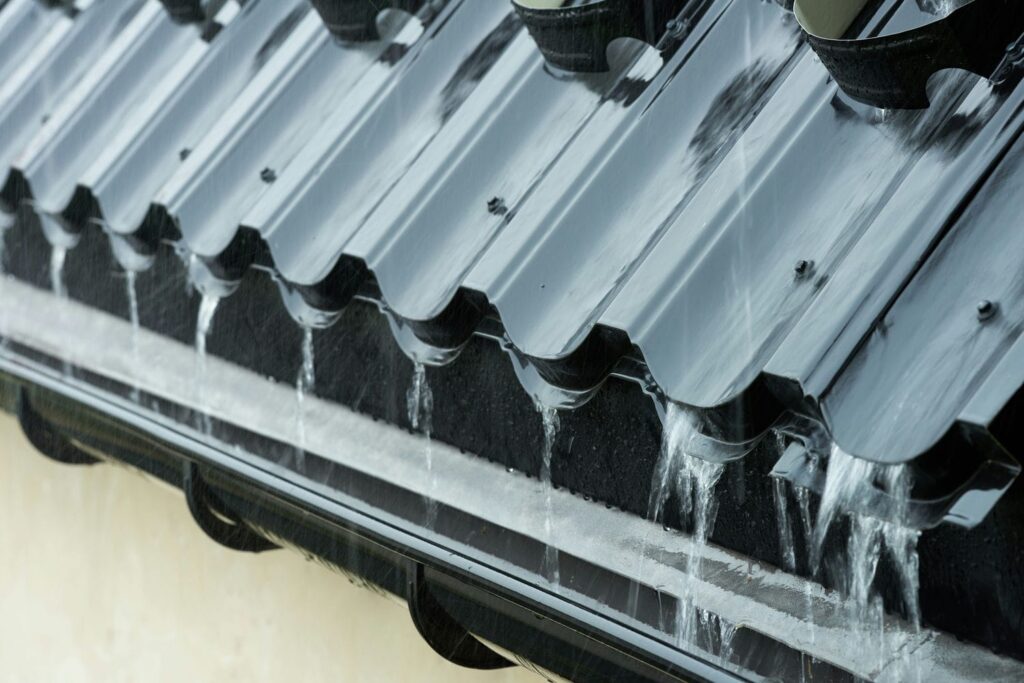
Cladding delay is rarely isolated to the cladding crew. Once the exterior sequence tightens up, delays move both upstream and downstream. That is why builders who want a steadier schedule look at weather through the whole envelope sequence, not just the day’s install target.
The biggest gains usually come from seeing the handoffs clearly. If those handoffs are already tight before weather arrives, even a short interruption can turn into a much bigger schedule problem.
Framing Readiness, Sheathing, And Opening Prep
Many cladding delays start before the cladding crew arrives. If framing tolerances are loose, sheathing is incomplete, or openings are only partly ready, a wet week can push the elevation sequence much further off track. Weather magnifies readiness problems that were already sitting in the wall.
That is one reason early coordination with a framing contractor matters. Cleaner framing handoff, better opening prep, and more predictable wall readiness make it easier to recover after weather without forcing the exterior crew to spend too much time on upstream correction.
WRB, Flashing, And Window Interfaces
Weather pressure often lands hardest at interfaces. WRB continuity, flashing transitions, window perimeters, and penetrations all rely on timing and clean conditions. When weather interrupts those moments, the schedule does not only lose production. It loses confidence in the next handoff.
That is why builders should think of cladding delay as interface delay as well. If the crew has to stop and protect partially completed transitions, the restart can take more care than a simple “back to work” instruction suggests.
Sealants, Trims, And Final Detailing
Exterior schedules often look close to complete before they actually are. Boards or panels may be installed, but trims, closures, sealants, and final details can still be exposed to weather-sensitive conditions. That makes the last stretch of the schedule more fragile than it appears from a distance.
For builders, this is where optimism can hurt. If the visible install is 90 percent done, it is easy to assume the exterior is almost off the critical path. In reality, the detail work may still need a clean, controlled window to finish properly.
Inspections, Access, And Follow-On Trades
Weather delay also compresses everything around the cladding crew. Inspection timing gets pushed, access equipment becomes harder to share, and other trades end up trying to work in the same narrowed window once conditions improve. That is how one small exterior delay can start affecting broader site flow.
Where Weather Hits Cladding Schedules Hardest In BC
The province does not behave like one single weather zone, so cladding schedules should not be planned as if every project carries the same exposure pattern. A better schedule starts with a more local view.
Coastal Projects And Persistent Moisture Windows
Coastal work often feels delayed even when the forecast does not look dramatic. The challenge is usually not one major storm. It is repeated moisture, slower dry-back, and the way short wet intervals can keep the wall from reaching a good working condition for as long as the sequence needs.
That is why coastal scheduling benefits from more realistic float around prep, interface work, and restart. If the project only plans for obvious shutdown days, it will usually understate the real weather effect on the exterior sequence.
Shoulder Seasons And Stop-Start Production
Spring and fall tend to produce stop-start work rather than clean shutdowns. Crews may get partial days, shorter windows, or uneven elevation readiness instead of a simple yes-or-no workday. Those conditions are hard on sequencing because the site keeps moving, but not at a reliable pace.
Stop-start production can be harder to recover from than a full lost day. It disrupts rhythm, creates more handoff checks, and increases the temptation to rush the first workable window instead of keeping the sequence controlled.
Interior And Northern Access Conditions
Interior and northern projects often lose time differently. Frost, snow, ice, and colder restart conditions can affect access, staging, and daily readiness in ways that are less about rainfall and more about whether the team can get back into productive exterior work quickly.
The scheduling lesson is the same, though. A weather delay is not only a forecast problem. It is a site-readiness problem. If access, protection, or restart planning is weak, cold-weather interruptions will usually feel longer than they need to.
How Builders Can Protect The Schedule Instead Of Just Absorbing Delays
A weather-aware exterior schedule does not try to eliminate uncertainty. It plans around the parts of the sequence that are most likely to multiply delay. That shift alone usually makes the job feel more controlled.
The most useful strategies are simple. They clarify float, divide the work logically, and make restart decisions easier before the pressure arrives.
Build Weather Float Into The Baseline Schedule
The cleanest fix is to plan weather float on purpose instead of hiding optimism in the baseline. That does not mean padding every activity. It means identifying the weather-sensitive parts of the exterior sequence where one lost day tends to become two or three smaller disruptions.
Builders who do this well can communicate delay more clearly because the schedule already recognizes that cladding does not respond to weather in a straight line. It responds through readiness, interface timing, and access.
Break The Work Into Zones, Elevations, Or Partial Releases
Recovery gets easier when the exterior scope is broken into practical release areas. That gives the crew options when one elevation is exposed, one interface is still too wet, or one side of the building cannot be accessed productively that day.
It also makes partial wins possible. Instead of waiting for the whole façade to become equally ready, the team can keep progress moving in a sheltered zone, a lower-risk elevation, or a clearly released section of work.
Set Clear Protection, Storage, And Restart Rules Before Day One
Weather planning becomes more useful when it turns into site rules. The builder and subcontractor should know how materials will be stored, how temporary coverings will be handled, what substrate checks are required after a wet event, and who decides when the wall is ready again.
Those choices are not glamorous, but they reduce argument later. When the rules are already set, the crew spends less time debating conditions and more time making calm, disciplined restart decisions.
Questions To Settle Before Cladding Starts
This is where schedule protection becomes practical. A few clear pre-start questions can remove a surprising amount of uncertainty from exterior work, especially when the forecast starts turning.
The goal is not to create extra paperwork. The goal is to keep weather risk from becoming a scope argument halfway through the sequence.
What Conditions Actually Trigger A Pause, Slowdown, Or Resequence?
The builder and subcontractor should agree on what counts as a full stop, what counts as reduced production, and what conditions justify shifting to a different elevation or task instead. Without that agreement, the site ends up treating every weather call like a debate.
That clarity also helps the PM explain schedule changes upstream. If the triggers are known in advance, delay discussions become calmer, faster, and easier to document.
Who Owns Protection, Dry-Back, And Temporary Coverings?
Weather risk is partly a scope issue. If no one is clearly carrying protection, dry-back responsibilities, or temporary coverings, the schedule can lose time to hesitation instead of actual weather. Ownership needs to be explicit before the first install day.
This does not have to become complicated. It simply needs to be settled early enough that the team can act quickly when conditions change instead of arguing about who was supposed to plan for them.
What Substrate And Interface Conditions Must Be Ready Before Install?
A weather-hit schedule is always harder to recover when the wall was already borderline on prep. Builders should confirm what readiness means at the substrate, opening, flashing, and trim interfaces before installation starts. That keeps restart decisions tied to real quality conditions, not pressure alone.
It also protects the relationship between schedule and standards. A team that knows its readiness criteria is less likely to rush into a bad wall condition simply because the forecast finally opened up.
How Will Delay Days Be Documented And Recovered?
Delay documentation matters because it shapes the recovery plan. The team should know how weather days will be recorded, how partial production will be tracked, and what recovery options are acceptable if the sequence starts slipping.
That conversation should also cover how recovery will be handled without lowering standards. The best catch-up plans preserve quality, protection, and coordination instead of trading them away for a shorter-looking calendar.
Build A More Resilient Exterior Schedule Before The Weather Turns
Weather planning is really schedule planning. Builders who treat rain, wind, moisture, access, and restart conditions as managed variables usually get cleaner coordination, fewer rushed details, and better control over the trades that follow the cladding crew. The goal is not to outguess the forecast. It is to build a sequence that stays organized when the forecast changes.
At Madera Projects and Design Ltd., we support that kind of exterior work with Red Seal carpenter oversight, reliable crews with strong onsite leadership, clear scopes before work begins, proactive communication, and organized sites that respect other trades. If you are planning exterior work and want a steadier conversation around sequencing and field readiness, see our exterior finishing services.
FAQs
How Much Weather Float Should A Cladding Schedule Carry In BC?
There is no one province-wide number that fits every project. The right float depends on location, season, exposure, system, and how tightly the rest of the envelope sequence has been planned. The safer approach is to build contingency around known weather-sensitive steps instead of using one generic allowance.
Can Cladding Be Installed In Light Rain?
Sometimes the issue is not the rain itself but the condition of the substrate, interfaces, access equipment, or detailing step involved. A schedule decision should be based on readiness and quality control, not only on whether the rain looks minor.
What Weather Causes The Biggest Cladding Delays?
Rain, wet substrates, wind, cold conditions, and access problems usually cause the biggest interruptions. The exact mix changes by region and season, which is why a coastal schedule and an Interior schedule should not be planned the same way.
Do Weather Delays Affect Rainscreen, Trim, And Sealant Work The Same Way?
No. Different parts of the exterior sequence are sensitive at different times. Main cladding install, trims, flashings, and final sealing can each respond differently to the same weather event, which is why one generic weather note is rarely enough.
Can A Crew Resequence The Work Instead Of Losing The Whole Day?
Often, yes. If the project has been broken into workable zones or elevations, the crew may be able to shift to a more protected area or a different task instead of shutting down completely. That kind of flexibility has to be planned before the weather arrives.