
Posts by lifewd
Why Forms Blow Out: Pour Rates, Pressure, and Prevention
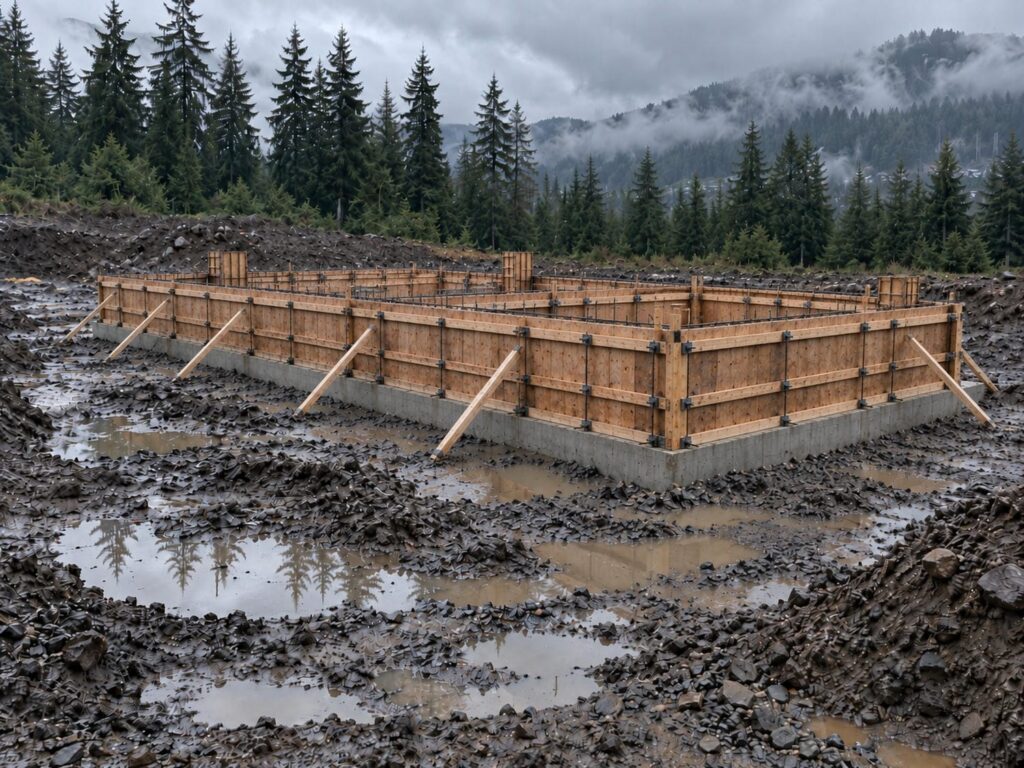
A formwork blowout is a form losing containment while the concrete is still liquid, so wet concrete escapes through the breach and keeps coming until somebody stops the pump. Fresh concrete is dense, and until it stiffens it behaves roughly like a heavy liquid. That makes a wall form a pressure vessel rather than a…
Read MoreICF vs Poured Concrete: Which Foundation Approach Fits Your Build?
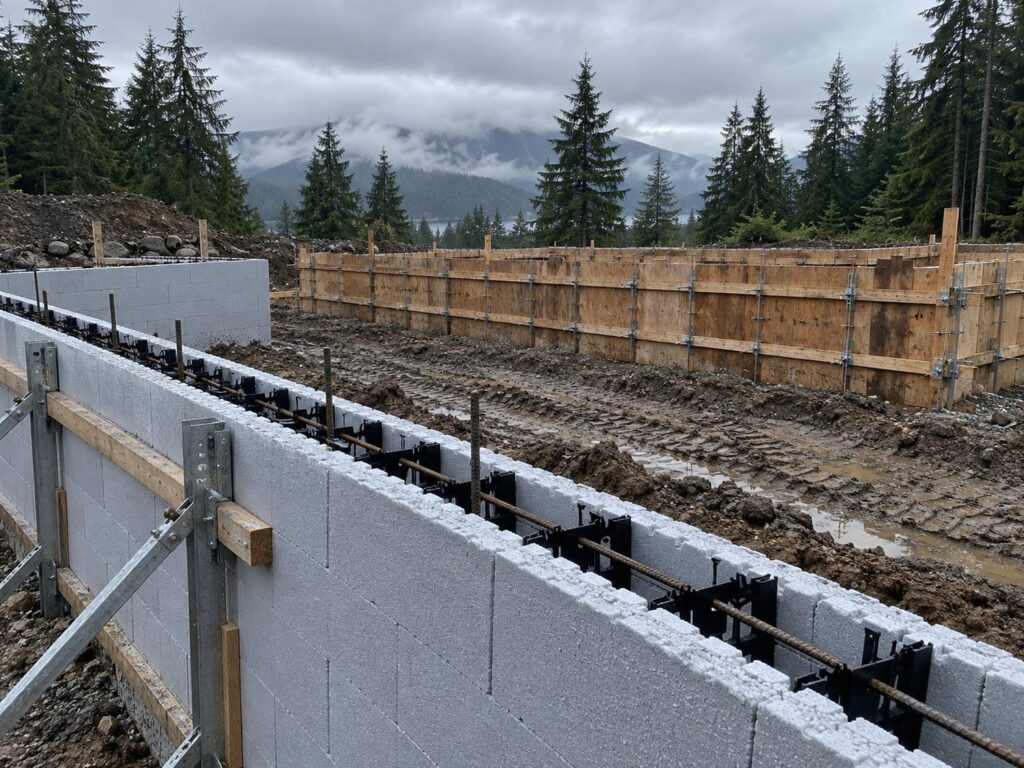
ICF vs poured concrete comes down to one decision: does the mould come off the wall, or does it stay on forever. In conventional forming the panels are stripped, cleaned and used again on the next house. In ICF the mould is rigid foam, and it never leaves. Cost, speed, insulation and what you can…
Read MorePouring Concrete in the Rain: How Forming Crews Manage BC’s Wet Season
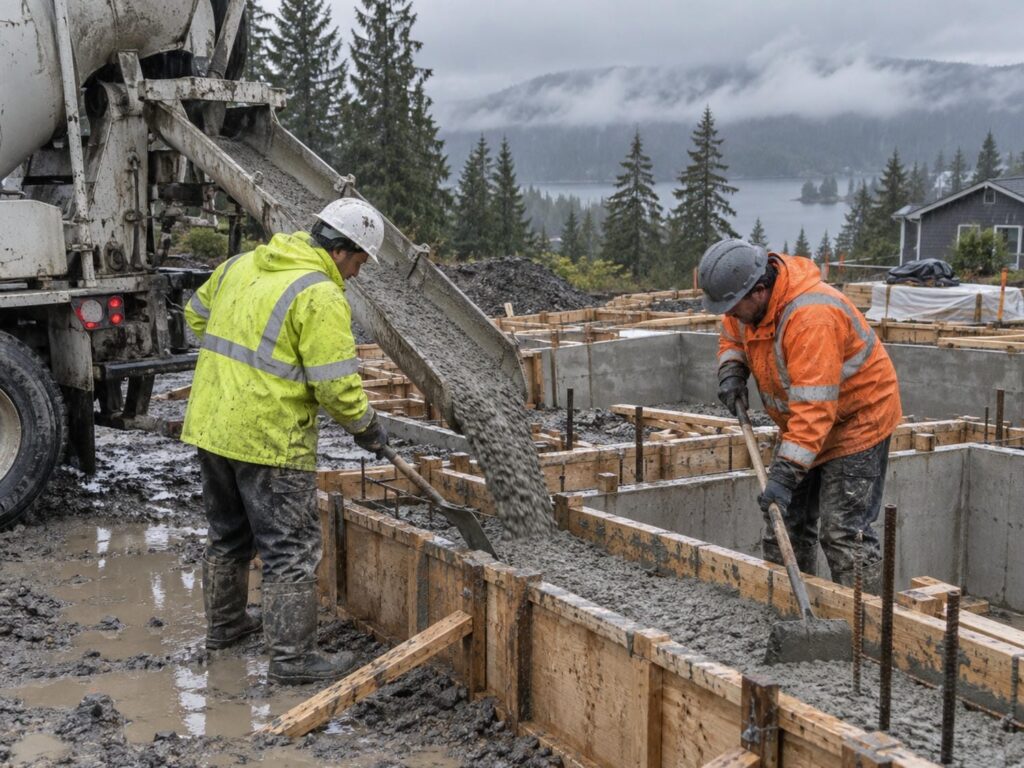
Crews pour in the rain across this province all winter, and rain landing on fresh concrete is usually not what ruins a pour. What ruins it is water worked into the surface by a finisher, water added at the truck to keep a stiffening load moving, and water standing in the forms before the concrete…
Read MoreWhen Can You Strip Concrete Forms? Curing Times That Protect the Pour
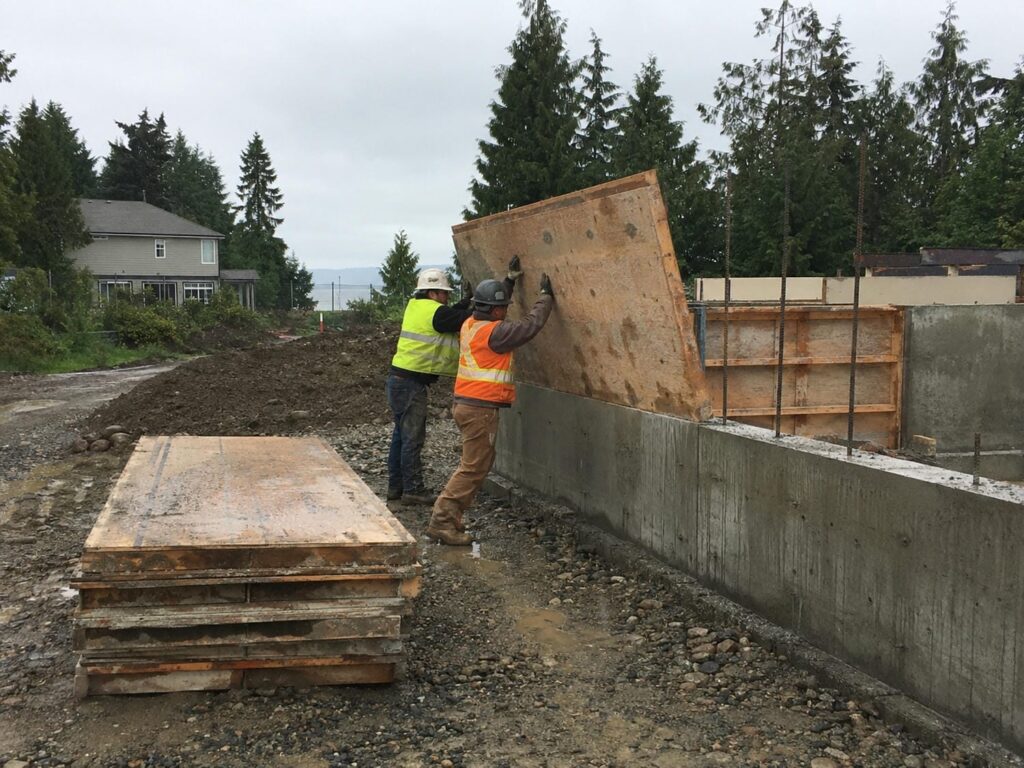
Forms come off when the concrete can carry its own weight plus whatever is going on it next. They do not come off because a set number of days has passed. Every argument on site about when to remove concrete forms is really an argument about one thing: whether the concrete has taken over the…
Read MoreFive Ways Framing Fails Inspection on Custom Builds

A framing inspection is the point where a municipal building official walks the exposed wood frame of your house, before insulation and drywall hide it, to confirm the structure was built to your approved drawings and the current BC Building Code. It happens after the frame is complete and after the plumbing, gas, electrical, and…
Read MoreWhen to Use LVL Beams Instead of Dimensional Lumber
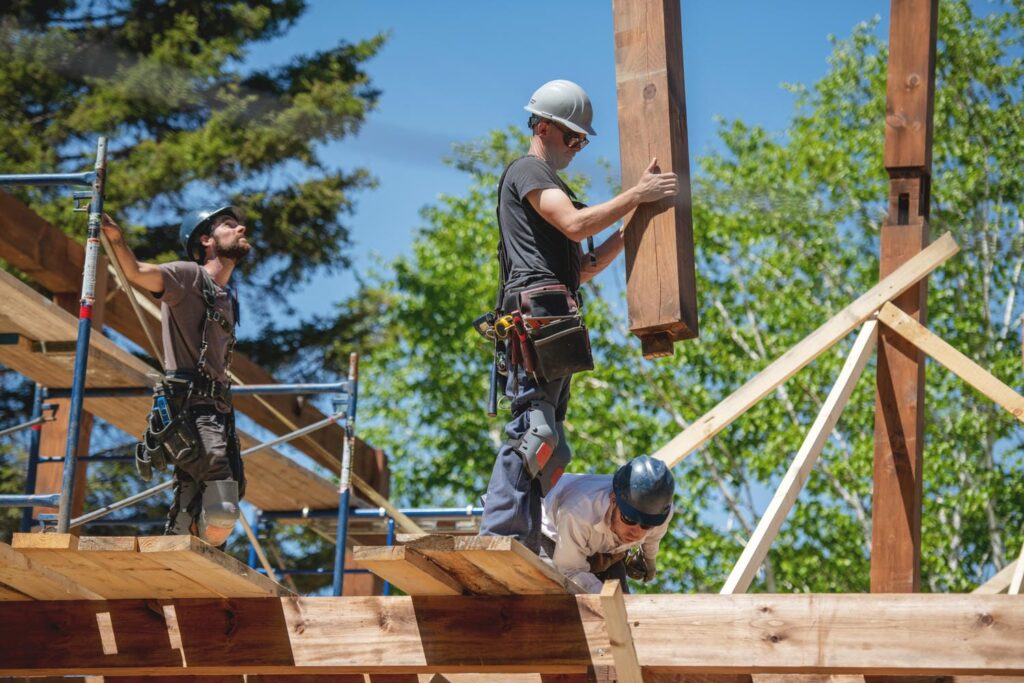
You move to LVL when the beam has to do something a built-up sawn beam cannot do predictably at the depth you have. That is usually one of three things: the clear span is too long, a ceiling line or header pocket fixes your depth, or a point load lands on a beam that finishes…
Read MoreStick Framing Vs Panelized Vs Prefab: Builder’s Call
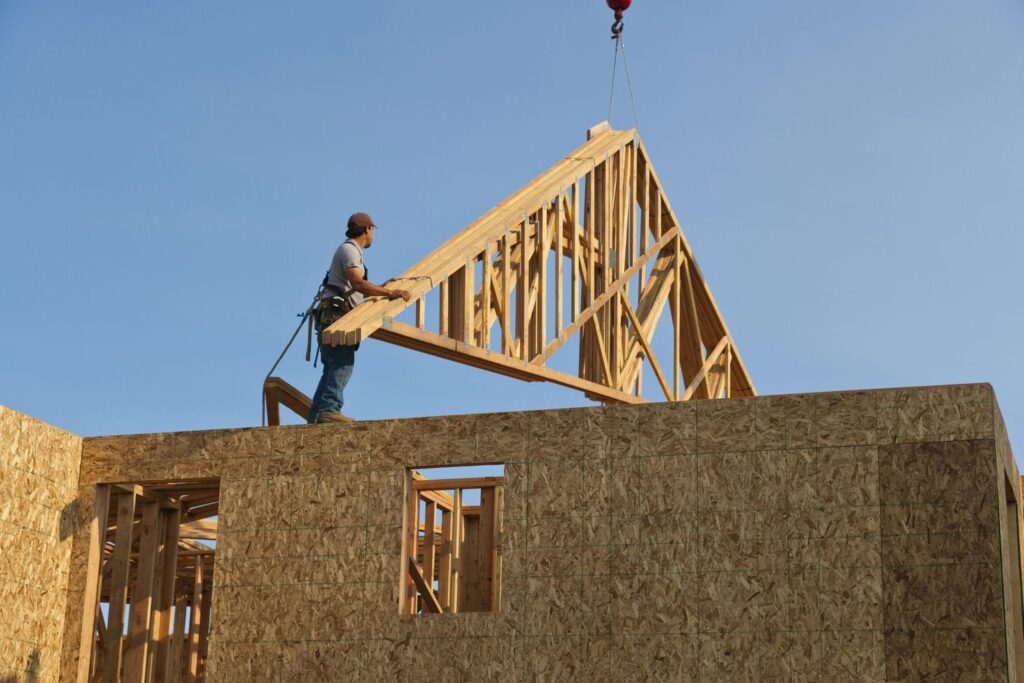
Stick framing is built mostly on site, panelized framing uses pre-built wall, floor, or roof sections assembled on site, and prefab is a broader term that can include panelized systems, modular units, and other factory-built components. The builder’s call comes down to fit: stick framing usually wins on flexibility, panelized framing can win when the…
Read MoreOut-Of-Square Framing: The $20K Finishing Headache

Out-of-square framing gets expensive because the mistake rarely stays inside the framing phase. A wall, opening, floor line, or stair void that is not square, plumb, level, or true can push extra work into windows, drywall, trim, cabinets, stairs, cladding, flooring, and final deficiencies. The $20K finishing headache is not a fixed industry average. It…
Read MoreFraming A Luxury Custom Home In The Lower Mainland
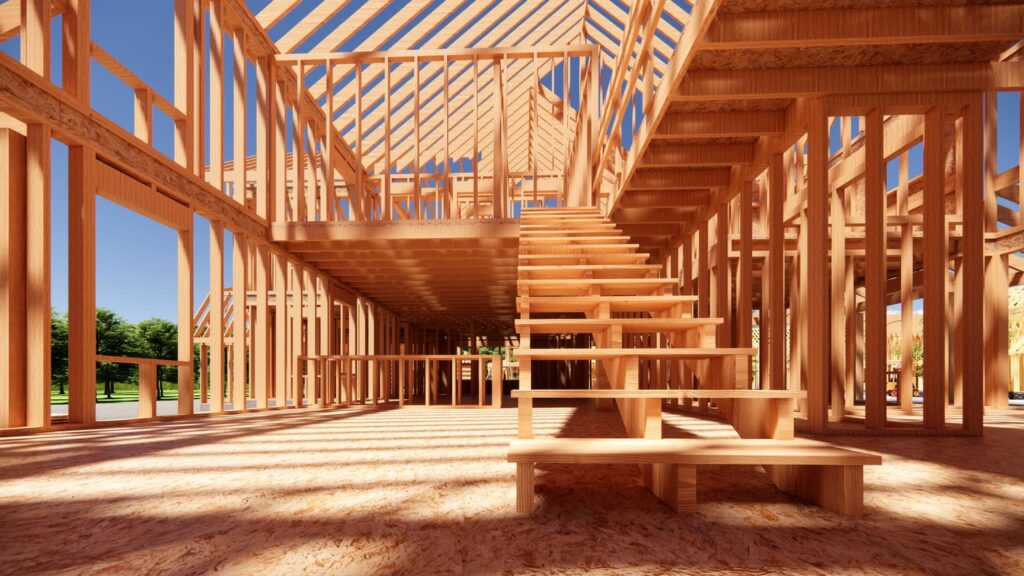
Framing a luxury custom home in the Lower Mainland usually means more than basic rough framing. It often includes larger engineered spans, more structural coordination around glazing and open spaces, tighter layout tolerances, more deliberate wet-weather protection, and cleaner sequencing so the frame stays accurate all the way into finishes. Much of this comes down…
Read MoreHow BC Seismic Zones Shape Framing For Custom Homes
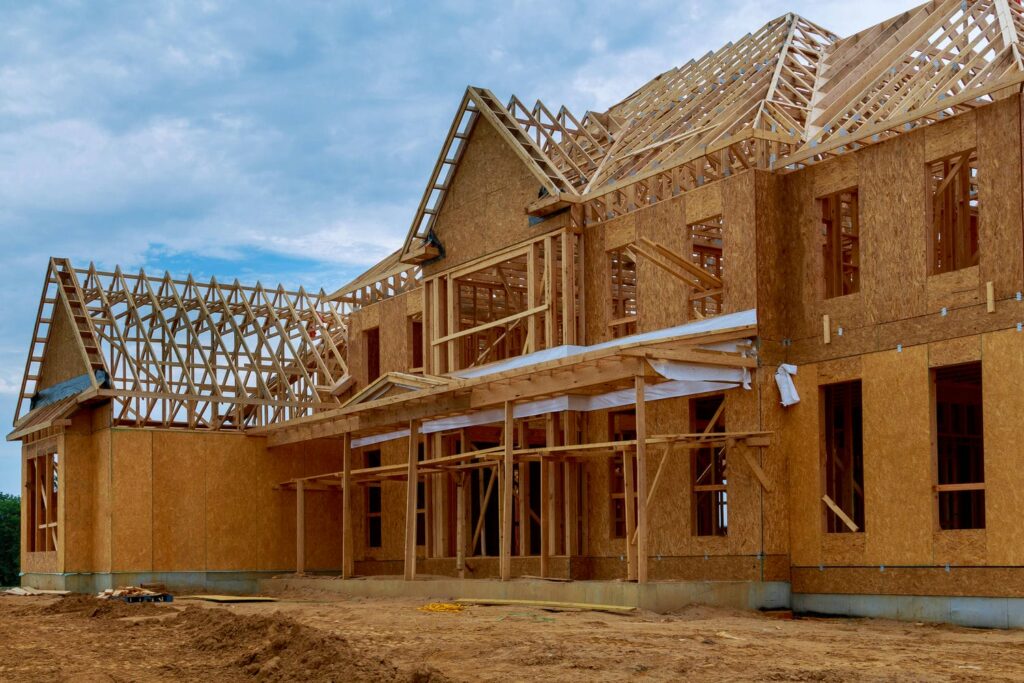
When people say “BC seismic zones,” they usually mean the level of earthquake demand a home needs to be framed for. In current practice, that conversation is not really about reading a broad zone off a small map. Earthquakes Canada’s national seismic hazard maps are not intended to be read for individual sites, and the…
Read More